RMTBC Conference 2026 – Innovation & Practice
The 2026 RMTBC Conference brought together massage therapists and healthcare professionals in Vancouver for two days of evidence-informed learning led by a world-class lineup of presenters. Sessions explored the role of RMTs in treating musculoskeletal injuries and pain, cognitive functional therapy, advances in massage therapy research, and the impact of artificial intelligence on the profession — alongside a panel discussion examining how AI is reshaping clinical practice.
Sessions
Conference session videos are available for purchase on the RMTBC Video site.
- Julian Moore
- Ann Davey
- Dr. Glynda Rees
- Moderated by Gordon MacDonald, Executive Director, RMTBC
- Perry Strauss
Thank You to our Sponsors!
Platinum Sponsor

Gold Sponsor

Silver Sponsors


Bronze Sponsors



Presenters
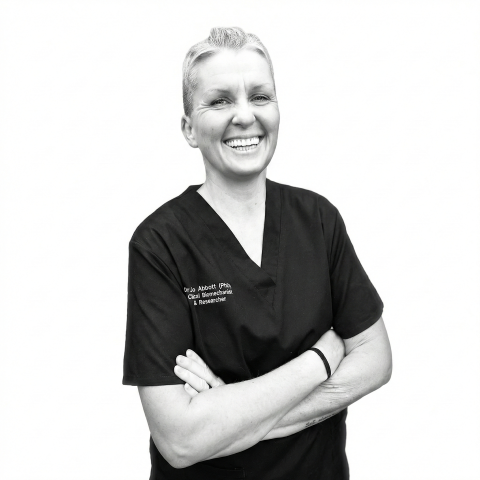
Bio: Dr Jo Abbott is a global researcher, educator, and integrative clinician with a background in clinical anatomy, functional medicine, and pain science. With over 20 years of experience at the cutting edge of rehabilitation, movement, and lifestyle medicine, she is widely respected for her innovative, whole-person approach to chronic pain, injury recovery, and performance optimization.
Jo’s journey began in the world of electromechanical engineering, where her analytical mindset and systems thinking laid the foundation for a seamless transition into clinical biomechanics. Complementing her clinical expertise is her own strong athletic career, which fuels her passion for movement, performance, and recovery from the inside out. Her deep understanding of the demands placed on the body—both physically and psychologically—shapes her unique, integrative clinical style.
She has worked with a wide range of athletes and performers, serving as a freelance strength and conditioning coach for the British Olympic Association (BOA) across gymnastics, swimming, and judo, and training two of the original UK TV Gladiators (first series).
Jo is the creator of HODA-A (Hands-On Data Acquisition and Analysis)—a groundbreaking research paradigm that is revolutionizing how musculoskeletal healthcare professionals use their hands in both clinical practice and research.
HODA-A unlocks new dimensions of precision, pattern recognition, and diagnostic intelligence— holding the keys to gold-standard hands-on care in a field ripe for evolution.
She is also the founder of the Back Pain Systems App, a multi-dimensional program that integrates neuroscience, movement therapy, nutrition, and coaching to support long-term healing from chronic pain, with an emphasis on self-empowerment and education.
As a global lecturer and mentor, Jo has trained clinicians across the UK and Europe in pain science, biomechanics, therapeutic movement, and clinical nutrition, while leading collaborative research into mitochondrial health, neuroplasticity, fatigue, trauma, and epigenetics.
A passionate advocate for clinical excellence, Jo is committed to raising the standard of musculoskeletal care worldwide and empowering practitioners to lead with clarity, compassion, and confident, hands-on skill.
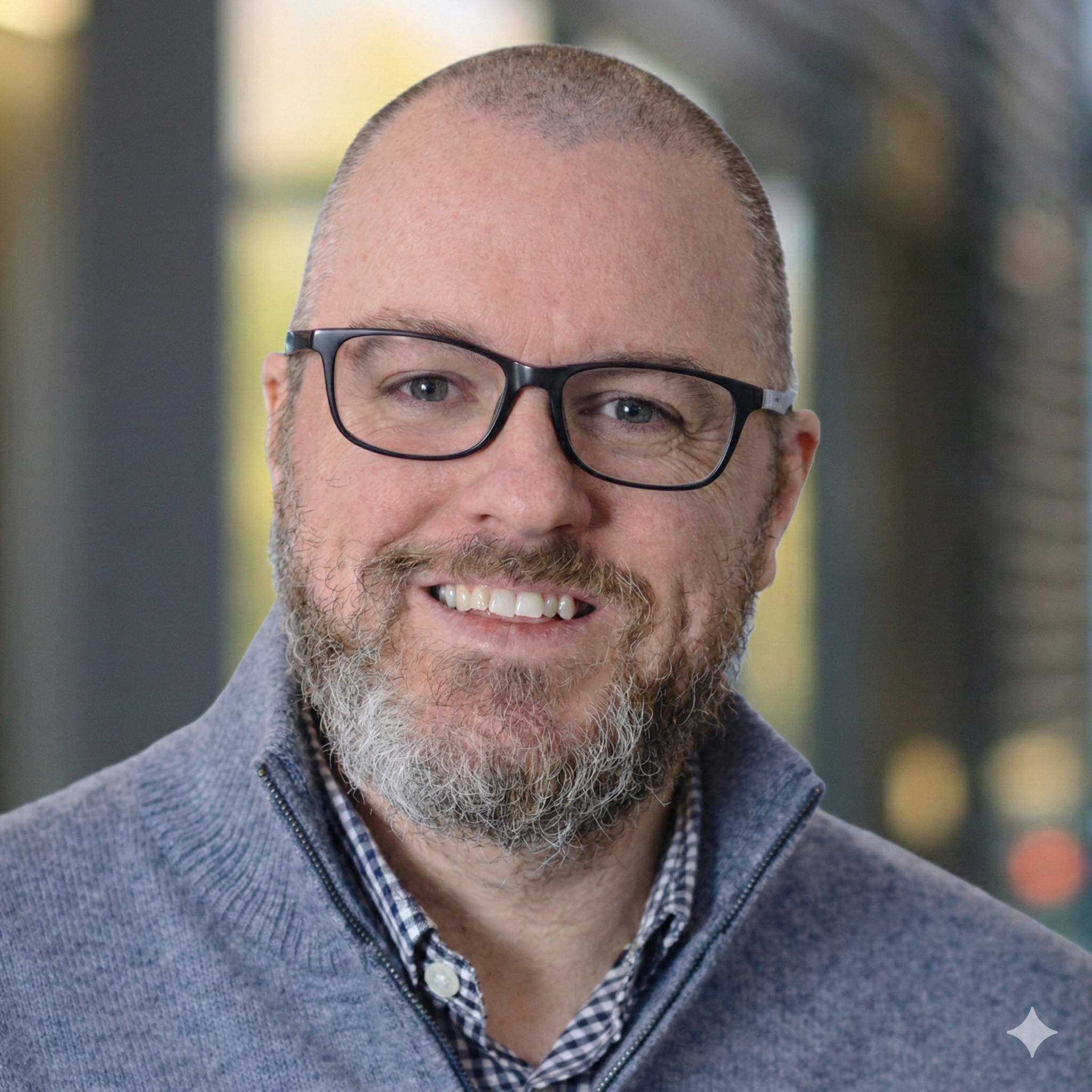
Bio: Dr. Alan Batt is an internationally recognized health systems scholar whose work has shaped how health professions approach competency frameworks, evolve scopes of practice, and develop equitable models of care. His work bridges clinical practice, education, policy, and research – to date, spanning ten countries and five continents – with a focus on professional competency, health workforce evolution, and equitable healthcare delivery. He leads the development of key pan-Canadian frameworks, informs international frameworks, chairs national committees, and contributes to evidence-informed transformation of health systems.
In addition to teaching and mentoring emerging scholars, he serves in academic leadership roles internationally. He supervises doctoral research candidates advancing conceptual and system-level understanding of evolving professional roles, workforce evolution, and health system integration.
Dr. Batt’s efforts are focused on collaborative leadership, building research capacity, and translating knowledge into meaningful policy and practice improvements.

Bio: Kjartan Fersum is an internationally renowned physiotherapist, educator, lecturer and researcher with a keen interest in pain disorder & management, utilising cognitive functional therapy (CFT) in his daily practise for the betterment of his patients. He integrates CFT into his daily practise, utilising it with chronic and acute pain patients to help them navigate their problems and its role within physiotherapy. Kjartan provides methods one can easily take into your daily practise to improve your communication with your patient as well as help the progress on their journey of rehabilitation, stepping out of the “I will fix you” mentality and more into a therapeutic alliance *with* the patient.
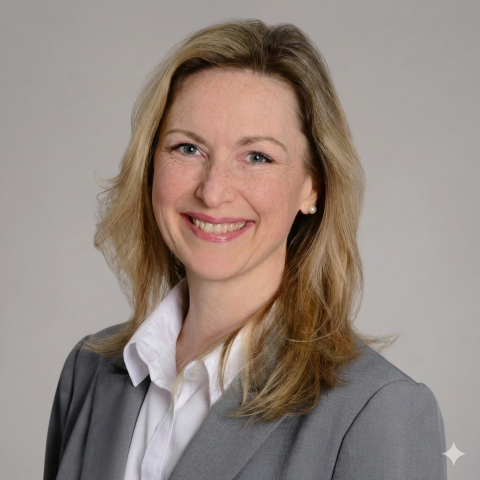
Bio: Alisa Johnson, PhD, LMT, is a researcher, administrator, educator, advocate, and massage therapist who currently serves as Director of the Pain Research Center at the National Center for Complementary and Integrative Health at the National Institutes of Health[cite: 42]. She earned her master’s and doctoral degrees in experimental psychology with a concentration in health psychology from Baylor University, where her work focused on improving chronic illness symptoms through mind-body medicine approaches[cite: 43]. During her predoctoral fellowship, she developed foundational expertise in biopsychosocial contributors to health and disease[cite: 44].
Dr. Johnson completed her postdoctoral training at the University of Florida’s Pain Research and Intervention Center of Excellence, specializing in neuroscience, pain science, and advanced clinical research methods[cite: 45]. As a Research Professor at the University of Florida, she led and collaborated on multidisciplinary studies examining the biological, psychological, and behavioral mechanisms underlying individual differences in chronic pain and responses to treatment[cite: 46]. Her recent research emphasizes the role of muscle quality as a potential driver of musculoskeletal pain and highlights the importance of psychological health in shaping pain outcomes[cite: 47].
A licensed massage therapist since 1999, Dr. Johnson has served patients ages 8 to 90 with diverse pain conditions and wellness goals, and holding licensure in four states[cite: 48]. She is deeply committed to advancing the field of massage therapy through rigorous research, evidence-informed practice, and education[cite: 49].
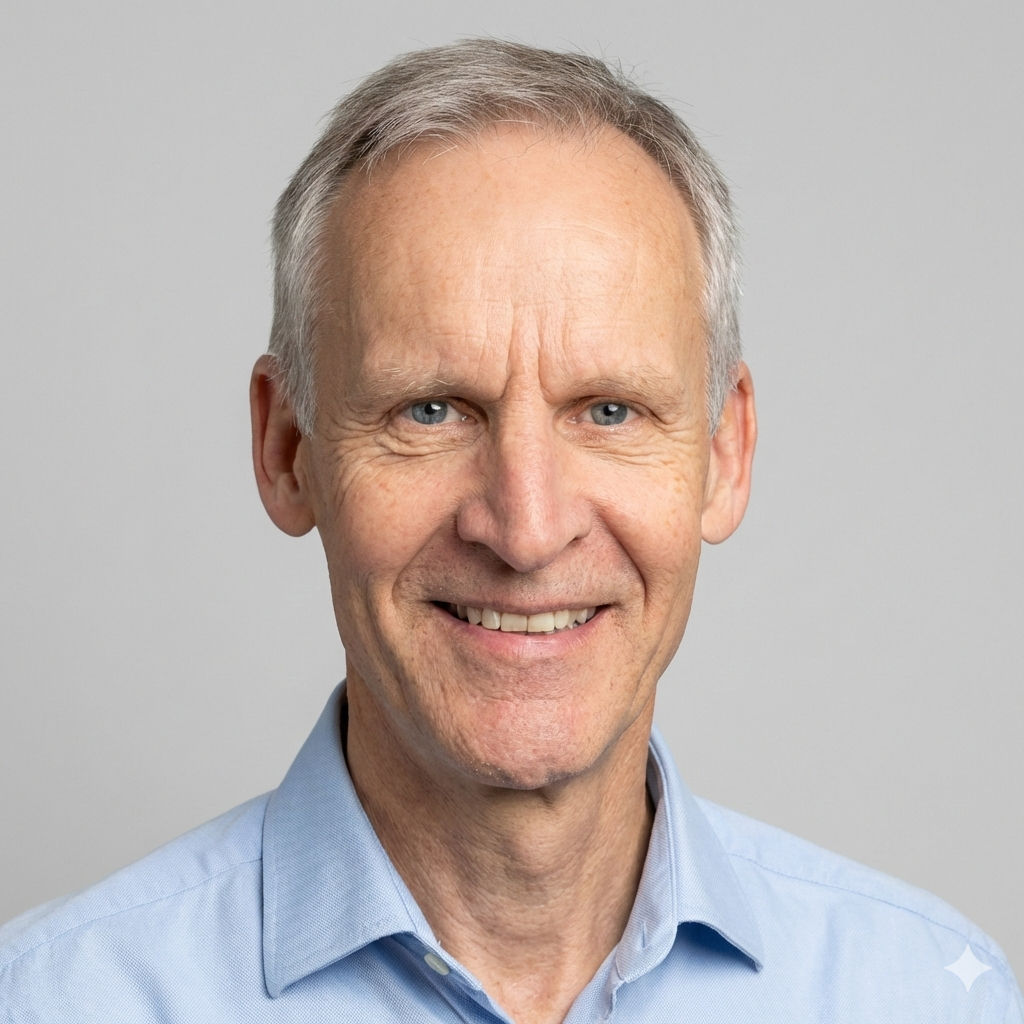
Bio: Karim Khan, professor in the Department of Family Practice and the School of Kinesiology, has achieved international recognition for pioneering clinical trials of exercise training among seniors vulnerable to falls and osteoporotic fractures. He was a leader in the field of tendon injuries where he published key studies on pathogenesis, imaging and prognosis as well as co-developing the most widely used patient-rated outcome measure. Professor Khan has coauthored more than 300 peer-reviewed publications with over 34,000 citations (H-index 99), that span high-risk clinical groups such as those with tendon injuries, osteoporosis, and those at risk of falls.
Professor Khan was appointed as Scientific Director of the Canadian Institute for Health Research’s Institute of Musculoskeletal Health and Arthritis (CIHR-IMHA) in 2017. From 2008-2020 he served as Editor-in-Chief of the British Journal of Sports Medicine (BJSM), the highest ranked journal in sports science/medicine.
He pioneered the use of social media channels for knowledge translation in the discipline: YouTube videos, podcasts, a mobile app and large communities on Facebook, Twitter and Instagram. He is the co-author of the best-selling sports medicine and sports physiotherapy textbook Brukner & Khan’s Clinical Sports Medicine.
He received the Prime Minister’s Medal for service to Australia (2000), Honorary Doctorates from Universities in Norway (2018) and Scotland (2019) and was appointed an Officer of the Order of Australia (AO) for distinguished service to sport and exercise medicine, and to the promotion of physical activity for community health (2019).
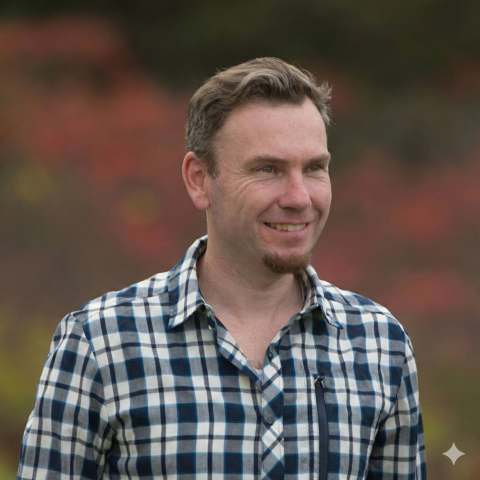
Bio: Greg Lehman is a practicing physiotherapist, researcher and educator in Toronto, Canada with over 20 years experience in the rehabilitation field. Greg’s background includes a MSc in Spine Biomechanics, MSc in Physiotherapy and a Chiropractic degree. Greg has published more than 20 peer reviewed publications in the manual therapy and exercise science fields. He has a special interest in the multidimensional nature of pain and injury and believes that simple yet comprehensive approaches are a cornerstone of the biopsychosocial approach to patient care. Greg has taught the popular “Reconciling Biomechanics with Pain Science” course for 10 years to 1000s of therapists throughout the world. The course is about fundamentals and finding the common threads of many rehabilitation approaches.
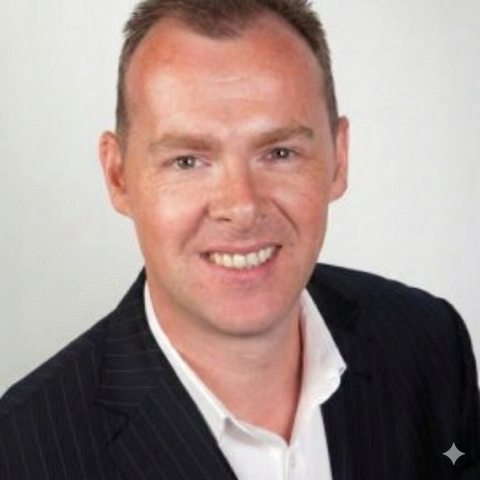
Bio: Julian Moore is recognised globally for helping associations, businesses, and government boost revenue through AI implementation. An unabashed technology geek, he has a deep understanding of AI and how organisations can use it to improve operations and make a greater impact. Julian created Australia’s first AI Board member and founded “AIR Music 12”, Australia’s largest AI music YouTube channel, with 122K subscribers and 1.7M listeners. Julian advises insurance companies, banks, hospitals, advisory firms, government agencies, and associations. Julian makes complex topics easy to grasp, sharing practical solutions through keynotes, coaching, consulting, and training. Say goodbye to PowerPoint – Julian brings AI tools to life through live demonstrations tailored to you.
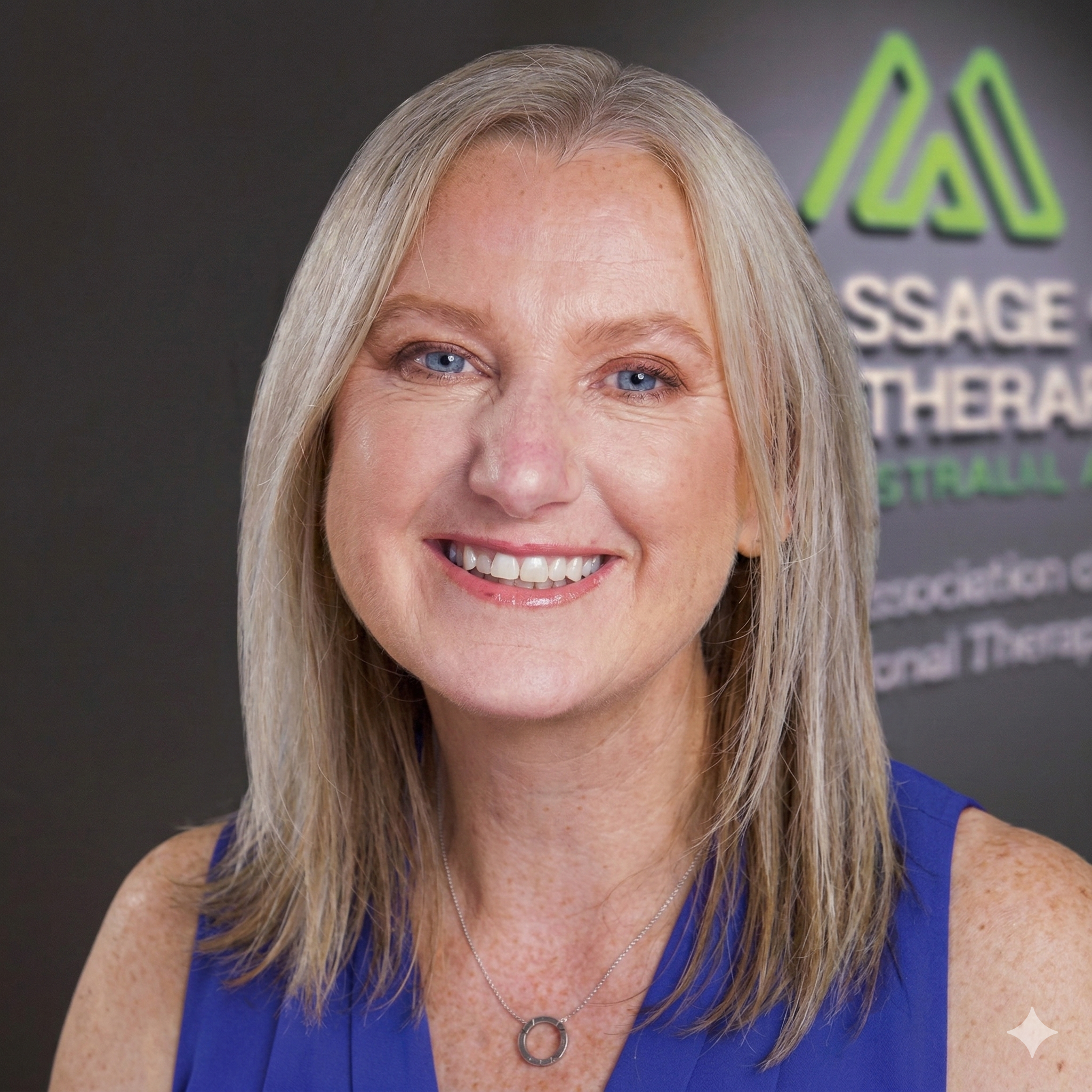
Bio: Ann Davey is the Chief Executive Officer of Massage & Myotherapy Australia, the national peak body representing more than 8,500 professionally qualified massage therapists, remedial massage therapists and myotherapists across Australia. With over 30 years’ leadership experience across not-for-profit, university and commercial sectors, Ann brings a practical, systems-focused perspective to professional practice and governance. She holds a Bachelor of Commerce and has worked within the association for more than 16 years, stepping into the CEO role in April 2020 during the first wave of COVID-19. In a time of uncertainty and disruption, Ann led with calm, compassion, and clarity, supporting both her team, the members and the profession through unprecedented change. Ann believes deeply in the power of collaboration, relationships, and shared knowledge. She is passionate about professional standards, supporting sustainable practice, and ensuring that often unseen professions are recognised, respected and valued. Her leadership is grounded in service, integrity, and a genuine commitment to making things better than she found them. She has a strong interest in how emerging technologies, including AI, can be thoughtfully integrated into clinical practice to support practitioner wellbeing, ethical decision-making and quality patient and client outcomes. Beyond her role as CEO, Ann is an elected Director of the Council of Small Business Organisations Australia (COSBOA). Outside of work, she enjoys volunteering with her local Repair Café – Bring, Learn and Mend, contributing to community connection and environmental sustainability.
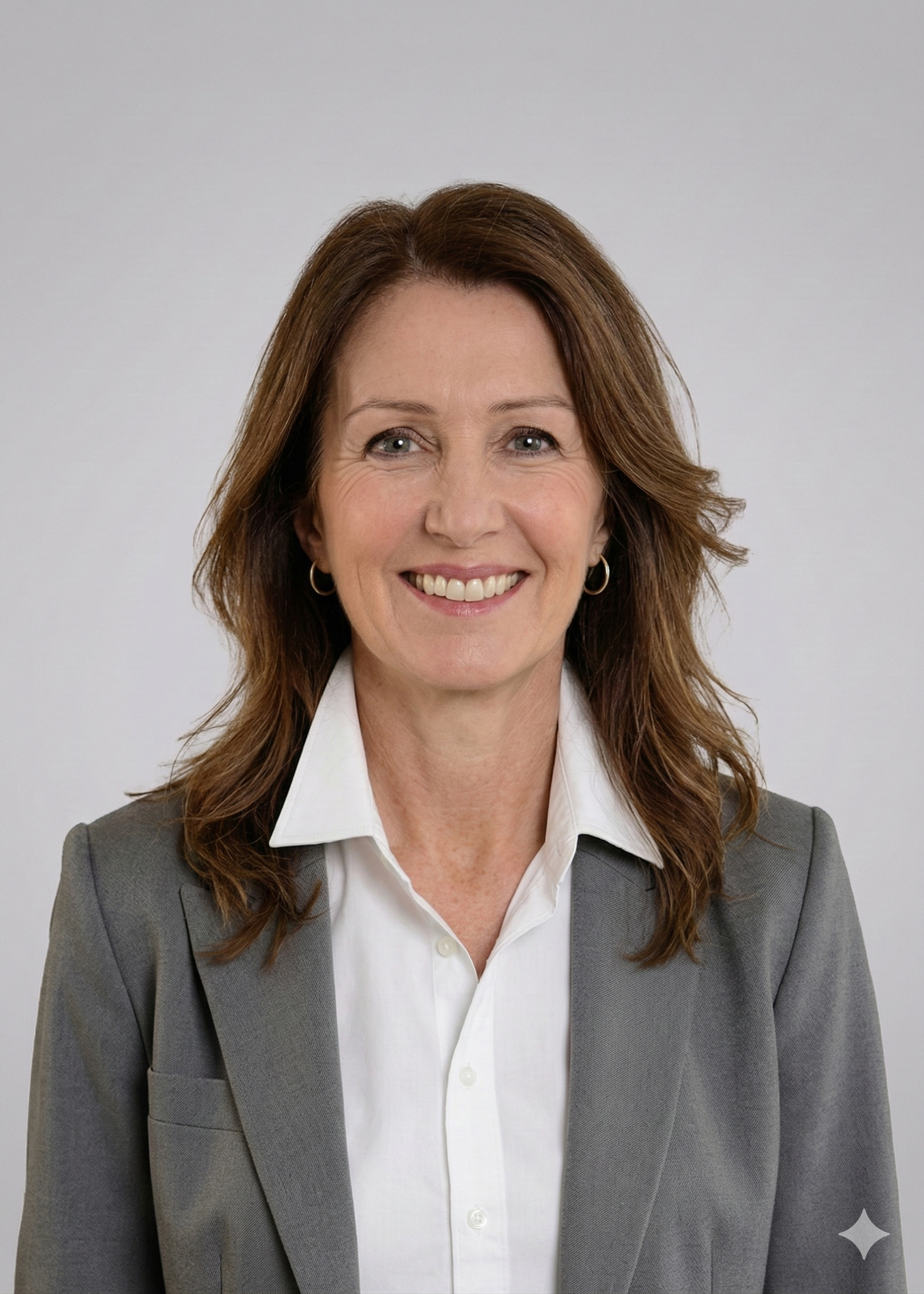
Bio: Dr. Glynda Rees is a Registered Nurse, digital health leader, and applied researcher focused on digital health education, workforce capacity, and responsible technology adoption. As Program Head of the Digital Health Advanced Certificate at the British Columbia Institute of Technology (BCIT), she leads curriculum innovation grounded in interprofessional practice and system transformation.